Ways to Extend the Longevity for Your Roof: Advice by Professionals
Your roof is among the most vital components of your home, serving as the initial line of defense against the elements. It not only protects you and your family from harsh weather but also adds to the visual appeal and value of your property. Unfortunately, many homeowners fail to recognize the significance of regular maintenance and timely repairs, leading to premature roof deterioration. In this post, we will discuss expert tips on ways to extend the life of your roof, emphasizing best practices that can save you money and hassle in the long run.
Understanding the timing of it’s the right time for a replacement roof or simply a repair can often be challenging. With various materials available, each with its lifespan, knowing how to choose the right option for your home is crucial. Moreover, monitoring common roofing problems and regularly inspecting your roof can help avoid small problems from escalating into costly repairs. Join us as we delve into the ultimate guide to roof maintenance and replacement, ensuring your home remains protected for years to come.
Comprehending Roof Longevity and Replacement
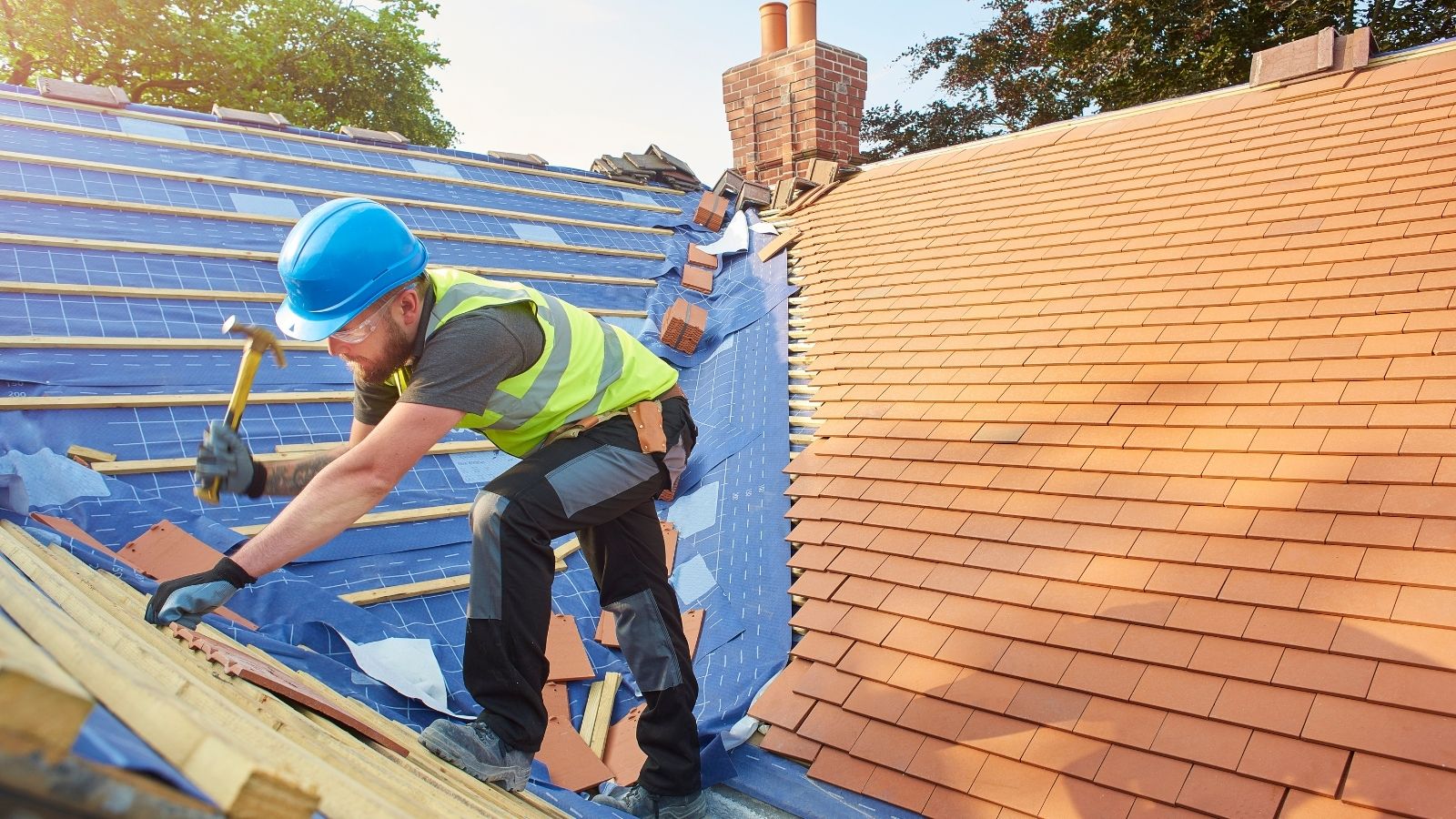
Recognizing when it's time for a replacement roof is essential for property owners. Roofs are not designed to last forever, and multiple factors influence their duration, including the types of materials used, the quality of installation, and the local climate. On average, asphalt shingles have a lifespan of about 20 years, while metal roofs can reach up to 50 years or more. Grasping the lifespan of your own roof material is key to preparing for replacement ahead of significant damage occurs.
As roofs get older, they begin to show signs that replacement is on the way. Common indicators include lost or broken shingles, notable granule loss, and visible sagging. Homeowners should keep an eye out for leaks, particularly after heavy rain or snow, as this can indicate underlying issues. Routine inspections and maintenance can help you catch these issues in time, possibly prolonging the life of your roof and postponing the need for a full replacement.
When it does arrive time for a roof reinstallation, it's essential to consider various factors that can influence both the process and expense. The style of the new roof, the materials you choose, and the complexity of your roof's design all play major roles in the overall cost. Moreover, understanding local building codes and hiring a qualified roofing contractor will guarantee a successful installation. Getting ready for a roof replacement involves being knowledgeable about the most suitable options for your home and budget.
Common Roofing Problems and Solutions
One of the most frequent problems homeowners face is roof leaks, which can lead to serious damage if not addressed promptly. Leaks often occur due to worn-out shingles, improperly sealed flashings, or broken roof vents. To repair leaks, start by inspecting the roof for absent or cracked shingles and replace them as required. Applying site link to cracks and sealing any flashing can also help prevent water intrusion. For ongoing leaks, it may be wise to consult a professional to ensure a comprehensive repair.
Another common issue is the development of moss, algae, or mold on the roof surface, particularly in shadowed areas. This not only affects the aesthetic appeal but can also lead to rooftop damage over time. Routine cleaning with a mixture of water, bleach, and detergent can help get rid of these organisms. Installing zinc strips along the ridge can also inhibit reinfestation as rain washes off mineral particles, creating an environment more conducive to moss and algae.
Finally, inadequate attic ventilation can decrease the lifespan of your roof by causing heat buildup, leading to roof shingle deterioration and ice dam formation in cold months. Ensure that your attic is well-ventilated by checking the intake and exhaust systems. Installing vents or using roof fans can help maintain a proper airflow, stopping excessive heat and moisture buildup that can lead to significant roof problems. Routine inspections and maintenance of ventilation systems will further enhance the lifespan of your roof.
Tips for Maintaining Your Roof and Increasing Its Longevity
To prolong the lifespan of your roof, routine maintenance is vital. This includes routine inspections to detect any problems or deterioration that may not be visible from the ground. Homeowners should look for signs such as lost shingles, cracked tiles, or rust spots on metal roofing. It is also crucial to keep gutters uncluttered and debris-free to prevent pooling water, which can lead to water damage and additional issues.
Adequate attic ventilation plays a key role in maintaining roof integrity. Proper airflow helps control temperature and moisture content, reducing the likelihood of ice dams in winter and overheating in summer. This not only prolongs the life of your roofing materials but also improves energy efficiency within your home. Consider quality vents and ensure they are functioning correctly to promote a durable roof.
Addressing small issues promptly can prevent financially burdensome repairs later on. For example, if you notice a couple of missing shingles or signs of moisture damage inside your home, take action immediately. Hiring a contractor for routine maintenance checks can provide comfort and ensure that any underlying problems are addressed early. By implementing these care techniques, you will help ensure your roof remains in optimal state for years to come.